Celebrating our Early Career Researchers in Public Health and Sports Science | International Women’s Day 2026
Welcome to our celebration of International Women’s Day 2026, where we proudly highlight the brilliant women shaping the future of research at the University of Exeter.
From groundbreaking research to inspiring leadership, the women in our department contribute immensely to innovation, education, and progress. This year, we are recognising some of our Early Career Researchers for their achievements, sharing their stories, and explore how they are driving change in academia and beyond.
Join us as we celebrate their impact, amplify their voices, and commit to fostering an inclusive and equitable academic environment.
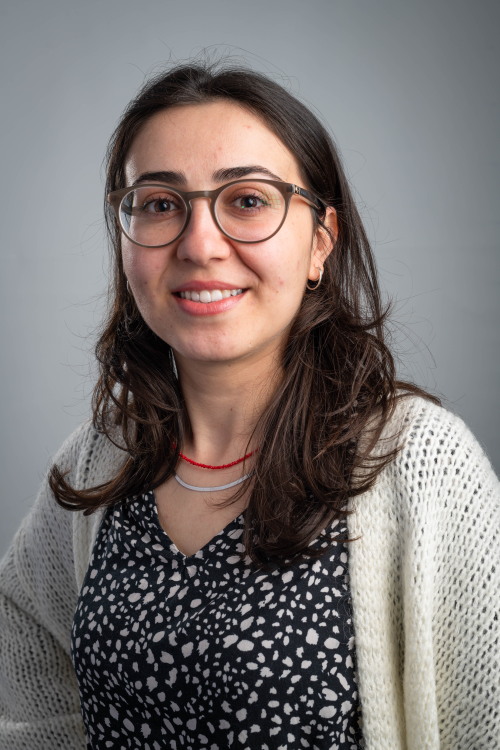
Dr Esra Bozbas
What does your current job look like on a day-to-day basis?
My day-to-day work is quite varied, which is one of the things I enjoy most about academia. I usually split my time between research, teaching, and collaboration. This might involve working in the lab, analysing data, writing research papers or grant proposals, teaching and supporting students, or meeting with colleagues and collaborators to develop new ideas and projects.
Thinking about work, which of your achievements are you proudest of?
One of the things I am most proud of in my career so far is completing my PhD despite the disruptions caused by the COVID-19 pandemic. During this time, I was able to contribute to research that helps us better understand how nutrition can support health and publish work from my PhD in the American Journal of Clinical Nutrition. I am also proud of being able to translate this valuable knowledge to students and the wider public, helping to raise awareness of how nutrition can influence long-term health.
What do you enjoy doing outside of work time?
Outside of work, I enjoy walking in nature with my family, which helps me relax and recharge. I also enjoy cooking both Turkish and international cuisines, and I like experimenting with healthy recipes for my family.
What advice would you give to other women who are working in higher education?
My advice to other women working in higher education is to believe in your abilities and be proud of your achievements. Balancing personal life and an academic career can sometimes be challenging, but it is important to recognise the value of your work and the skills you bring. Building supportive networks and celebrating progress 'no matter whether it is big or small' can make a real difference.
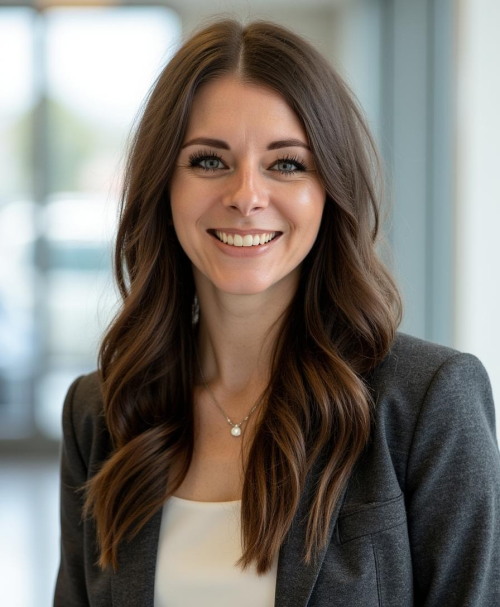
Dr Gemma Brailey
What does your current job look like on a day-to-day basis?
No two days are quite the same. I spend my time designing and leading research projects, analysing data, writing funding applications and papers, and working closely with partners in policy, healthcare and farming communities. Much of my work focuses on improving health and wellbeing in rural and farming populations, so collaboration with communities and stakeholders is a really important part of what I do.
Thinking about work, which of your achievements are you proudest of?
I’m proudest of research that leads to tangible change. I recently co-produced a health service with farmers and healthcare professionals that brings preventive health support directly into livestock markets, improving access to care for farming communities. Seeing people access support earlier and avoid reaching crisis point with their physical health has been incredibly rewarding, and the work was recognised with a South West Integrated Personalised Care Award.
What do you enjoy doing outside of work time?
Outside of work I love travelling and exploring new places, particularly where I can spend time outdoors. I enjoy walking, being near the coast, and making the most of living in the South West.
What advice would you give to other women who are working in higher education?
Believe in the value of your ideas and the perspective you bring. Higher education can sometimes feel competitive or uncertain, but building supportive networks and collaborating with others can make a huge difference. It’s also important to celebrate your achievements along the way.
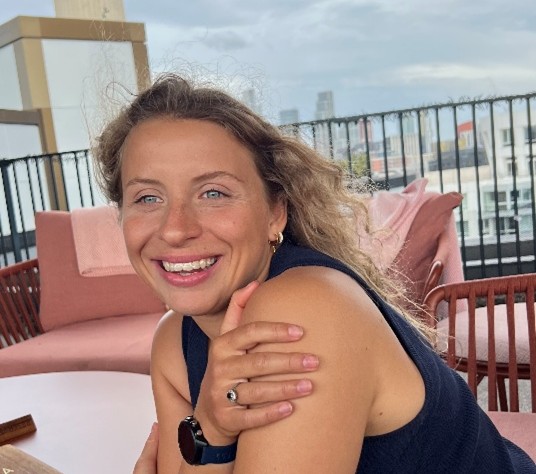
Freyja Haigh
What does your current job look like on a day-to-day basis?
My role is varied and combines research, writing, and mentorship. A typical week involves writing up research studies for publication in scientific journals, mentoring and training PhD students, and designing and delivering research projects that involve human data collection, including blood and muscle sampling. I also contribute to the field by writing editorials and peer-reviewing journal articles.
Thinking about work, which of your achievements are you proudest of?
I’m particularly proud of having my 3½-year PhD research study published in the American Journal of Clinical Nutrition. I was also honoured to be awarded first place in the GSSI Sports Nutrition Award at the European Congress of Sports Science.
What do you enjoy doing outside of work time?
As my job involves spending a lot of time working indoors in the lab, I really value getting outside whenever I can. I enjoy being active and you’ll usually find me out on my bike.
What advice would you give to other women who are working in higher education?
Recognise when you’re in a particularly busy period and be honest about the toll it can take. Just as importantly, allow yourself time to recover afterwards and don’t feel guilty about doing so. You are doing enough and you’re smashing it.
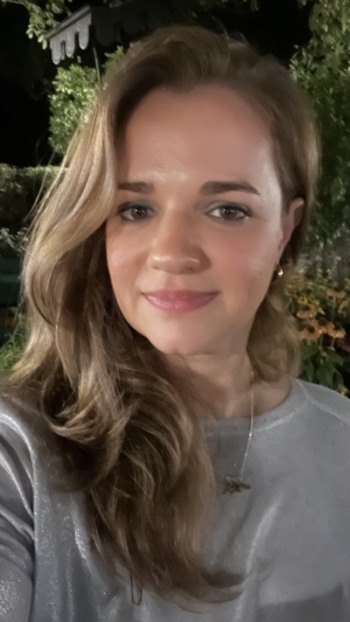
Dr Ana Morano
What does your current job look like on a day-to-day basis?
As a Postdoctoral Research Associate working on a project focused on physical activity and mental health in adolescents, my day-to-day work primarily involves participant recruitment and data collection for the study. This includes liaising with the schools where the study is being conducted, maintaining regular communication with school staff, and supporting the dissemination of the study findings to key stakeholders. I am also involved in data management and analysis, as well as contributing to the preparation and writing of research publications.
Thinking about work, which of your achievements are you proudest of?
Sharing research beyond academia has been one of the most rewarding aspects of my work. During the data collection for my PhD thesis, I shared the study findings with adolescents’ sports coaches, helping them develop a better understanding of adolescent health and the impact that physical training can have on it. This supported them in designing training sessions that considered not only performance but also the health and wellbeing of the young athletes. Although my work has also been published in academic journals, being able to share scientific findings with the wider community is something that makes me particularly proud.
During my PhD, in 2023, I was awarded I was awarded a place at the 2nd European Psychoneuroimmunology Network (EPN) Autumn School in Germany. The following year, I was awarded a scholarship to undertake an overseas research internship at the University of Exeter, at the Children's Health and Exercise Research Centre, under the supervision of Professor Alan Barker. This experience was especially meaningful to me, as I am originally from Brazil, where I completed my PhD. In 2024, I was awarded first place in the Travel Session Award for my oral presentation at the 16th Biennial Symposium of the International Society of Exercise and Immunology (ISEI) in Vienna. As I was finishing my PhD in 2025, I was offered a position at the University of Exeter, which was a very meaningful step in continuing my academic career.
What do you enjoy doing outside of work time?
Outside of work, I enjoy being active and practising sports such as swimming and running. Being in Exeter is also a great opportunity to enjoy some nice trails and take day trips to explore the seaside.
What advice would you give to other women who are working in higher education?
My advice would be to believe in yourself and not give up, even when things feel challenging. Academia can sometimes be demanding, but confidence in your abilities and perseverance are essential. It is also important to recognise and celebrate your achievements along the way. Even when you may not realise it, you could be inspiring other women and girls who are looking for role models in academia. Representation matters and seeing women in different fields helps the next generation believe that they belong there too. Together, we can continue to support each other, thrive, and create positive change.
Dr Monika Walia
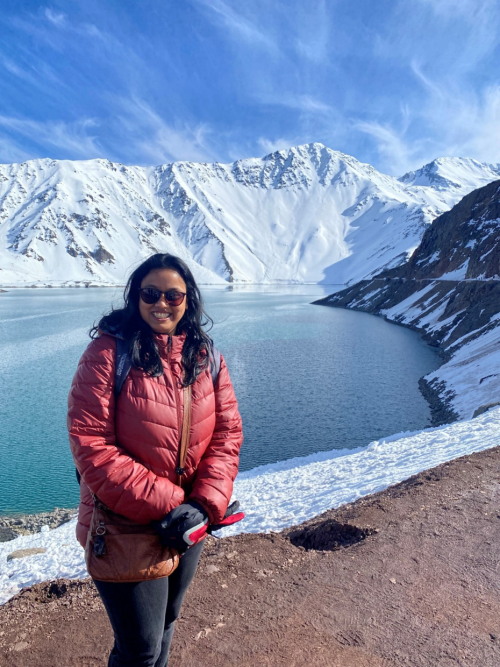
What does your current job look like on a day-to-day basis?
As a research fellow at the Centre for Net Positive Health & Climate Solutions (NET+ Centre), I am working on projects related to climate change, green and blue spaces, food systems, urban infrastructure, and health. My daily tasks vary, but they usually include reviewing research papers, writing, analysis, attending webinars and team meetings, preparing presentations, and taking part in relevant training workshops - all powered by plenty of coffee. I also sometimes give guest lectures for undergraduate and master’s students, which I have enjoyed more than I expected.
After completing the PhD, where I worked mostly by myself on the project, I now really value the balance between independent work and teamwork. Research is rarely done alone, and I especially appreciate the Centre’s discussions on creative and innovative methods in interdisciplinary research. Since moving to the UK as an international student and now working here, I am particularly aware of how diverse perspectives and thoughtful conversations enrich both my research and my growth as a postdoctoral researcher.
Thinking about work, which of your achievements are you proudest of?
Completing the PhD remains one of my proudest achievements - especially because of the journey behind it. I had my viva the day after Diwali, which, in a way, now feels symbolic: light after a long period of sustained effort! My PhD was a joint degree programme between the University of Queensland, Australia and the University of Exeter, UK, that began during the pandemic. Over the course of it, I made three moves (INDàUK, UKàAUS, then AUSàUK) and fell in love with each city and town I lived in. Each time I moved, I built new friendships, met inspiring people, and worked with wonderful teams. That experience shaped me just as much as the research itself did. To me, the degree represents resilience, yes - but also adaptability, collaboration, and community. I am proud not only of finishing, but also of the relationships and connections I built along the way.
What do you enjoy doing outside of work time?
I enjoy engaging in creative and grounding activities outside of work. I love reading (big fan of whodunnits among other genres), travelling, and cooking. I believe living between cultures has also shaped how I spend my free time. There is something deeply joyful about making my English friends try the food I grew up with. At the same time, I’ve been attempting to master a proper Sunday roast and Christmas dinner, with mixed but improving success. I’ve also taken up baking, though I’m still a novice. Though I tend to experiment rather than follow recipes strictly. Growing up in Delhi, a busy and vibrant city, I didn’t realise how much I would come to love the sea. After moving to Penzance, I am in awe of water and coastal landscapes. Since then, long coastal walks have become my favourite ritual - they suit every mood. I also knit and crochet quite a lot. There’s something special about making things slowly, stitch by stitch, in a world that often feels very fast.
What advice would you give to other women who are working in higher education?
This is a difficult question to answer, but I will try. The first one would be to have faith that you fit in. I have also noticed that thoughtful, consistent contributions are equally as important as being the loudest voice in the room. And lastly, to create networks of cooperation, support, and collaboration. Working with encouraging colleagues and teams where ideas are freely exchanged has led to some of my most fulfilling experiences.