Our impact

Please see below for a collection of examples of how our research is contributing to changes to services and support, and to improving the lives of children and young people, their families, and the communities around them.
What is the Problem?
The first three years of life are crucial for a child’s social, emotional, and behavioural development. Yet many families face challenges—including poor parental mental health—that can place infants at increased risk of later difficulties. While parenting programmes are known to help older children, little was understood about whether similar support offered earlier and at different levels - depending on the extent of the problem - could prevent problems from emerging or worsening. The E-SEE (Enhancing Social-Emotional Health and Wellbeing in the Early Years) study set out to address this gap by testing a proportionate universal model of the Incredible Years programmes for parents of children under two.
What the Research Found
The study showed that early parenting support was both feasible and valued by many families. However, the programme did not produce significant improvements in child social-emotional wellbeing compared with usual services. There were small improvements in parental mental health, with an indication that this support would be cost-effective. Importantly, the trial generated rich insights into why engagement is difficult for parents of very young children and highlighted the real-world challenges practitioners face in implementing early support with families.
Why This Matters
For families, the findings emphasise that parenting support must be flexible and responsive to the daily realities of caring for babies and toddlers. For services, the results signal the need for careful investment decisions and reinforce the value of co-designed, adaptable approaches in early years provision. Although the trial produced null effects, it has informed local authority planning—particularly around adapting parenting programmes—and strengthened the evidence base on early intervention. Crucially, the study has stimulated further research into pre-engagement support and into meeting the needs of parents experiencing mental health difficulties, helping to shape a more nuanced and effective early years support landscape.
Co-Developing Digital Tools to Help Young People with ADHD Thrive
What is the Problem?
Young people with ADHD often struggle to access clear, reliable, and evidence-based information about their condition and how to manage it. While digital health tools have the potential to provide flexible and accessible support, there is limited understanding of how to design such interventions in a way that genuinely meets the needs of young people, families, and NHS services. The SmartADHD project set out to address this by co-developing digital solutions that offer trusted information and practical management support—integrated within NHS care pathways—to help young people with ADHD thrive.
Who Will Care About the Findings?
The results of this work matter to a wide range of stakeholders. NHS service providers and GPs need effective, scalable tools that can complement clinical care and reduce pressure on overstretched services. Young people with ADHD and their families want accessible, evidence-based resources that are engaging and relevant to their daily lives. At a system level, NHS England and policymakers are increasingly seeking digital innovations that can enhance care quality and improve equity of access. SmartADHD directly informs these priorities.
What Happens Next?
The project’s development phase will be followed by publication of findings and wider sharing of learning about co-designing digital interventions for neurodiverse young people. Plans are being explored for a spin-out company or charitable vehicle to support sustainable implementation. The team is working closely with several NHS Trust partners, with the ambition to expand nationally. International collaborations—with partners in Australia and Ireland—are helping to shape a global conversation about best practice. A European Network for ADHD consensus statement is also in preparation, further strengthening the evidence base for digital ADHD support. Together, these activities will help ensure that SmartADHD insights translate into practical, high-quality digital tools that can make a real difference to young people’s lives.
Links:
- Video, lived experience collaborator, Tash, shares her experiences and talks about living with ADHD in underserved groups: https://bit.ly/ADHD-Underserved
- Web links
- SmartADHD: https://sites.exeter.ac.uk/smartadhd/
- Science of ADHD and Neurodevelopment Collaboration: https://sites.exeter.ac.uk/adhdresearch/resources/
Strengthening ADHD Support Pathways Through Primary Care
What is the Problem?
Attention-Deficit/Hyperactivity Disorder (ADHD) affects many children and young people, yet access to timely assessment and ongoing support remains uneven across the UK. Families frequently report long waits, fragmented services, and uncertainty about where to turn for help. Primary care—often the first point of contact—has an important role, but little was known about how it currently contributes to ADHD care or how it could be strengthened. The MAP (Managing ADHD in Primary Care) study set out to address this gap by exploring existing practice, system pressures, and opportunities to improve ADHD provision for young people through better integration between primary and secondary care.
What the Research Found
The study revealed considerable variation in how support for ADHD is organised, with differences across regions in referral routes, follow-up care, and the availability of specialist services. Both GPs and young people described barriers to accessing consistent, high-quality support and highlighted the need for clearer guidance, communication, and pathways. A key finding was the strong appetite for digital tools and resources that could streamline access, enhance self-management, and provide reliable information for families and practitioners. Overall, the research highlighted systemic challenges—but also clear opportunities—for developing more coordinated and responsive ADHD care models.
Why This Matters
For young people and families, these findings emphasise the need for accessible, evidence-based, and patient-centred support that reduces confusion and delays. For the health and care system, the results point to the importance of developing integrated models of care that better connect primary and secondary services and empower GPs with the tools they need. The MAP study has already contributed to national and local impact, informing the NHS England ADHD Taskforce, and shaping discussions with Integrated Care Boards and provider trusts. Publications and ongoing collaborations continue to build momentum toward improving ADHD provision. By identifying practical steps and system-level needs, the study is helping to shape a more coherent, effective, and future-focused approach to ADHD support.
Links:
- BJGP Life Podcast: https://bjgplife.com/episode-164-perspectives-from-patients-and-gps-on-how-to-provide-better-care-for-young-people-with-adhd/
- Video, lived experience collaborator, Tash, shares her experiences and talks about living with ADHD in underserved groups: https://bit.ly/ADHD-Underserved
- Publications
- Primary care provision for young people with ADHD: https://bjgp.org/content/74/743/e408
- Support for primary care prescribing for ADHD: https://bjgp.org/content/74/748/e777
- NHS England ADHD Taskforce Reports 1 & 2, Experts by Evidence section co-authors, Anna Price and Tamsin Newlove-Delgado: https://www.england.nhs.uk/mental-health/adhd/
- Next steps,
- The SmartADHD programme of research, which aims to help young people with ADHD to thrive, by co-developing accessible digital healthcare and self-management resources for use in the NHS. Increasing access to ADHD healthcare information and supporting positive management into adulthood.
- Web links
- Science of ADHD and Neurodevelopment Collaboration: https://sites.exeter.ac.uk/adhdresearch/resources/
- MAP study: https://sites.exeter.ac.uk/mapadhd/
- SmartADHD: https://sites.exeter.ac.uk/smartadhd/

The problem
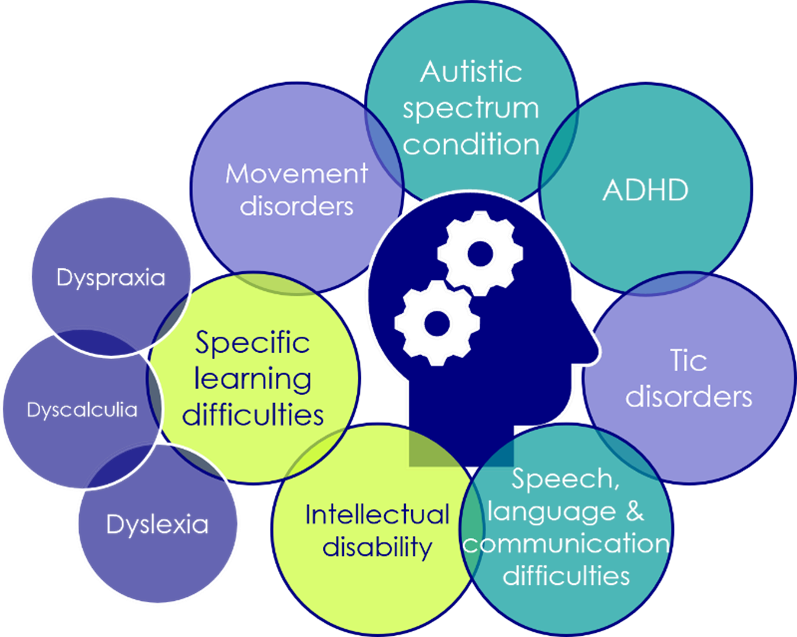
Conditions such as ADHD, autism and other forms of neurodiversity impact on at least 15% of children and young people. Many of these children struggle in school, which can result in high levels of suspensions, absence and exclusions. Poor school outcomes also have long term impacts on health, job and relationship success. Although there is good evidence for providing school-based adjustments and support for ADHD and neurodivergence, this isn’t always happening in practice in schools in the UK.
What we did
We did several pieces of research to better support mainstream schools to work with their neurodivergent students. The Tools for Schools project developed a toolkit of evidence-based strategies that primary school staff can use with students with ADHD traits, we tested this in 8 Primary schools to ensure that it was acceptable and useful for school staff. We also created an immersive training event, “Under the Umbrella” where adults took part in tasks that mirrored aspects of the school day, but with tweaks so that they could understand what it is like to be neurodivergent at school. We also gave ideas and examples of how to better support neurodivergent students. Finally, we developed the IN-hub website, which brings together evidence-based resources on neurodiversity for schools in a searchable index, including ratings of the strength of the evidence and reflections on each resource by educators.
Impact
Most teachers taking part in Tools for Schools reported that using the toolkit helped their student in class, with examples such as better focus, completing more work and better relationships with peers. In the past year over 2,500 people have accessed the website, and since we had to put it behind a login in Autumn 2025, 10 schools have already contacted us to use the toolkit. The toolkit has also been recommended by training courses for school staff that focus on ADHD. IN-hub has also been visited over 2,300 times.
Over 700 people took part in Under the Umbrella, and reported increased confidence in supporting neurodivergent students after the training. Feedback highlighted improved understanding about neurodivergence, practical takeaways that could be used in schools.
As a result of this work, the lead researcher has been invited to contribute to two national evaluations of Department for Education initiatives to improve mental health support in schools, as well as giving talks and recording podcasts for education staff and the general public, and being asked to write a book chapter on ADHD and education for the upcoming 2nd Edition of the Oxford Textbook of ADHD. We also hosted some public events, for example an ADHD and Science Family Day, attended by over 100 local people, and supported making the Futures Festival in Falmouth (attended by over 1000) accessible for neurodivergent families.
Summary of the Research
Child and Adolescent Mental Health Services (CAMHS) in the UK face unprecedented demand, with referrals doubling since the COVID-19 pandemic and increasing complexity among service users. Staff shortages, burnout, and resource constraints exacerbate these challenges. As part of the CAMHS GOES WILD research supported by ChYMe, we explored the potential benefits of Nature-Based Approaches (NBAs) for both staff and young people in CAMHS settings.
The research involved:
- 97 staff survey responses and 14 in-depth interviews across one NHS Trust in South England.
- Training opportunities for staff in nature-based therapeutic practices.
- Thematic analysis of perceived benefits and mechanisms of NBAs.
Underpinning Research
The study identified three core themes:
1. Increased Choice and Individualisation
NBAs offer flexible therapy settings (e.g., outdoor sessions), improving engagement and accessibility for young people, particularly those with neurodivergence, low mood, or social anxiety.
2. Enhanced Quality of Therapeutic Interventions
Nature-based environments were perceived as calming, reducing stress and anxiety, and facilitating emotional regulation, mindfulness, and behavioural activation. Nature acted as a “second therapist,” creating informal, less hierarchical spaces conducive to disclosure and rapport-building.
3. New Ways of Working for Staff
NBAs promote autonomy, creativity, and flexibility, improving job satisfaction and reducing burnout. Staff reported feeling more empowered and motivated, with potential benefits for retention and wellbeing.
Details of Impact
- For Service Users:
- Improved engagement and inclusivity through personalised therapy options.
- Enhanced therapeutic outcomes via stress reduction and sensory regulation.
- Development of transferable coping skills for use beyond clinical settings.
- For Staff:
- Increased autonomy and creativity in practice.
- Reduced burnout and improved wellbeing in a high-stress environment.
- Greater job satisfaction and potential for improved retention.
Summary of the Research
Bullying in childhood is a major public health concern, linked to long-term mental health problems, school absenteeism, and poorer life outcomes. The KiVa programme, developed in Finland, is a whole-school anti-bullying intervention that targets the peer context and bystander behaviour. In ChYMe, we were involved in the largest randomised controlled trial (RCT) of KiVa globally, evaluating its effectiveness and cost in UK primary schools.
The trial involved 118 schools across England and Wales, with 11,111 students aged 7–11 years. Schools were randomly assigned to either implement KiVa or continue with usual practice. The intervention included structured lessons, whole-school activities, and indicated actions for confirmed bullying cases, delivered over one academic year.
Key Findings from the UK Trial
- Reduced Bullying Victimisation: KiVa lowered the odds of bullying victimisation by 13% compared to usual practice.
- Improved Empathy: Students showed significantly higher empathy towards victims.
- Better Peer Relationships: Teacher reports indicated fewer peer problems.
- Cost-Effective: Additional cost is £20.78 per pupil in year one, and £1.65 per pupil annually thereafter.
- Equitable Impact: Benefits were consistent across gender and socioeconomic groups.
Why It Matters
- Bullying contributes to up to 40% of mental health problems in young adults.
- Reducing bullying improves wellbeing, school engagement, and long-term outcomes.
- KiVa offers a scalable, low-cost solution for schools.
Beneficiaries
- Children: Reduced bullying victimisation and improved empathy enhance wellbeing and educational engagement.
- Schools: Improved peer relationships and reduced behavioural issues support positive school climates.
- Public Health: Potential reduction in mental health service use and long-term societal costs associated with bullying.
Implications for Stakeholders
- Schools: Improved student wellbeing and behaviour.
- Local Authorities: Cost-effective intervention for safeguarding and mental health.
- National Policy: Supports statutory requirements for anti-bullying strategies and aligns with public health priorities.
The problem
One in four young people report having self-harmed by the age of 16, and suicide is one of the leading causes of death for those adolescents and young adults. Schools and youth organisations use a range of strategies to support young people, but these aren’t well understood. We also need to know more about what helps schools to support young people and what gets in the way.
What we did
In this research project, we did a survey of school safeguarding leads to understand what they provide to support their students and what the barriers are. We found that schools that have policies where self-harm and suicide are specifically covered are more likely to have trained staff in this area, and provide a wider variety of prevention activities. We also reviewed all the existing guidance suitable for school and youth settings, finding over 100 documents. Next, we interviewed young people age 14-21 with lived experience about the support they’d received, as well as a range of adults working with young people in these settings.
The impact we are planning
We will finish the project by producing a set of principles of practice so that schools and youth settings can check that their policies contain the key components that are most important for supporting young people. The study findings will be shared widely through webinars, podcasts and other events with schools and those working with young people who self-harm or have experienced the death of a community member due to suicide. We are working with a wide range of public partners, including the police and representatives from city councils to ensure that our findings can make a difference for young people. Young people have told us about some really important barriers that we can advise schools on, for example that they may choose not to seek support from an adult until they are 18 because they worry about confidentiality. We will also circulate policy briefs so that those who form guidance for schools and youth settings are up to date with the research evidence.
The problem
When the Covid-19 pandemic hit the UK in Spring 2020, the lives of children and young people across the country were affected by restrictions to in-person connection, learning, play and socialising, and by greater exposure to risk factors, such as unstable home environments, parental stress, isolation, and financial strain.
However, much early research into the impact of the pandemic used unrepresentative convenience samples, meaning that decision-makers did not have access to the best evidence to take action to protect and promote the mental health of children and young people.
The research
ChYMe researchers formed part of the consortium brought together by NHS England to design and deliver national surveys in 2020, 2021, 2022 and 2023 to study the impact of the pandemic on the mental health of children and young people, working with the Office for National Statistics, NatCen and the University of Cambridge. We also carried out linked qualitative research to explore young people’s experiences of the pandemic, including how Covid-19 affected whether and how they sought help for mental health concerns
The findings
We found that prevalence of probable mental disorder in children and young people sharply rose from pre-pandemic, from around one in nine in 2017 to one in six in 2020. This higher rate of problems persisted between 2020 and 2023, with no improvement at population level. In young people aged 17 to 19, there was a further rise in the rate of probable disorder between 2021 and 2022, with an increase from one in six amongst those aged 17 to 19 in 2021, to one in four in those aged 17 to 19 in 2022. The surveys also found a rise in eating disorders between 2017 and 2023.
Why this matters
Understanding what was happening to children and young people’s mental health during Covid-19 is essential in informing efforts to mitigate the impact and to improve planning for future pandemics. The findings of the surveys were extensively used in reports and briefings by Government and third sector organisations and widely covered by the press. The results influenced the expansion of Mental Health Support Teams in schools (MHSTs) and were also used in evidence heard by the UK Covid-19 Inquiry’s Module on Children and Young People.
What is the problem?
The earliest years of life are critical for brain development, with infants’ experiences and relationships shaping long-term health, learning and wellbeing. However, many parents may have limited access to trusted information and supportive relationships that promote early development, particularly those facing disadvantage, isolation, or poor mental health. Traditional services do not always reach families who are less connected to formal systems, creating inequalities in access to early support.
What the research did and found
The Building Babies’ Brains programme, designed and run by the charity Action for Children, uses a community-based approach to sharing evidence about early brain development with parents. The programme trains trusted community members to act as “champions”, equipping them with accessible knowledge about infant brain development and practical ways parents can support their babies’ early learning and emotional development.
Our research investigated how this programme worked in practice. We found that this peer-led model helped to translate complex developmental science into relatable, everyday conversations between parents and trusted members of their community. Champions reported increased confidence in discussing early development, while parents valued the informal, non-judgemental way that information was shared. The approach demonstrated how community-embedded knowledge sharing can complement formal services and widen access to early developmental support.
Why this matters
Many public health and early years messages do not reach families equally. Community-based approaches that work through trusted relationships can help bridge this gap. By empowering community members to share evidence-informed knowledge about babies’ early development, the model strengthens local capacity to support parents and helps ensure that more families benefit from early years science.
Impact
Insights from the research informed the development and refinement of the Building Babies’ Brains training model. The approach has since been scaled and is now being delivered nationally, supporting communities across the UK to share evidence-informed messages about early childhood development through trusted local networks. The work has contributed to wider recognition of the value of community-led approaches in early years and parent support initiatives.
Links
Why Building Babies Brains | Building Babies Brains | Action for Children
Research papers: