Applied Physiology, Nutrition and Metabolism
Our research expertise is available directly to athletes and teams through SPET, our Sports Physiology and Exercise Testing service. Please see below:
Our research
The Applied Physiology, Nutrition and Metabolism research group is internationally recognised for its research in three broad areas:
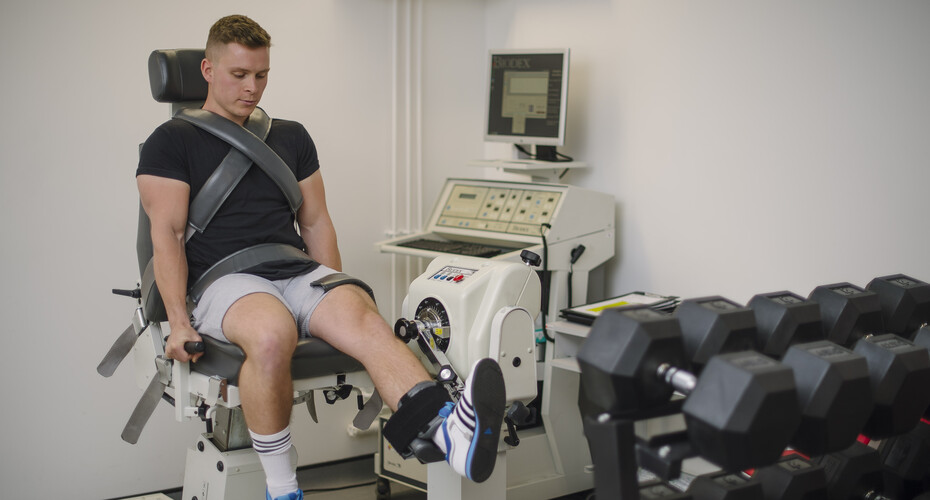
Skeletal muscle bioenergetics, and oxygen delivery and utilisation, as modulators of exercise (in)tolerance in health and disease
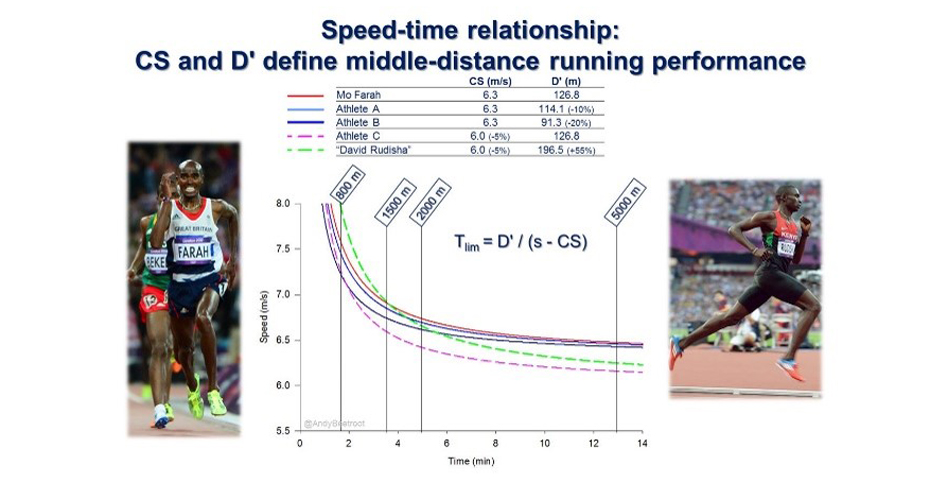
A key focus of our research is on the mechanistic underpinnings of pulmonary oxygen uptake dynamics and the power-duration relationship. Our extensive applied physiology research encompasses a broad range of topics including exercise test diagnostics and prognostics, pacing strategies, prior exercise, nutritional ergogenic aids and training interventions.
.jpg)
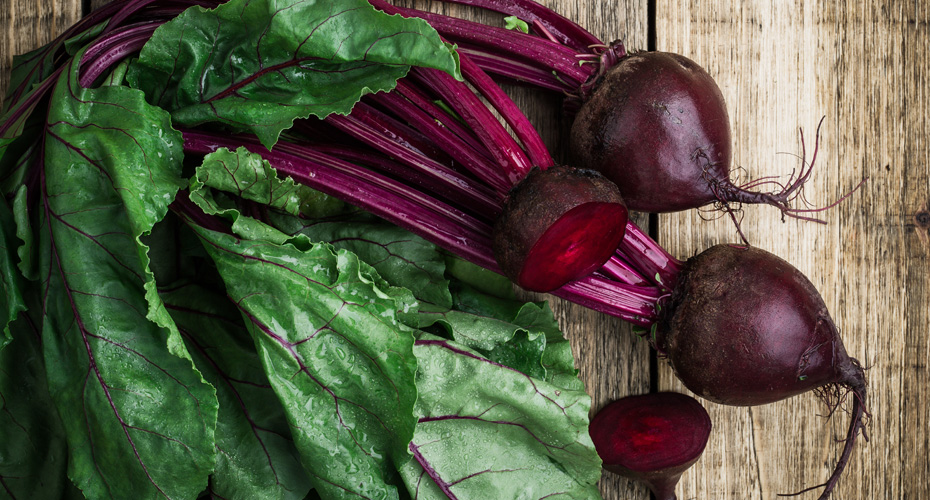
Therapeutic and ergogenic applications of manipulating nitric oxide bioavailability via dietary interventions
We are interested in how diets rich in inorganic nitrate (such as ‘5-a-day’, Mediterranean, or DASH diets) may benefit physical and cognitive wellbeing across the lifespan, and how host-microbiome interactions may influence the benefits that can be derived from a healthy diet. Our research has contributed to a compelling evidence base for inorganic nitrate as one of the few effective dietary supplements to enhance sports performance.

Carbohydrate metabolism and fuel use during endurance exercise
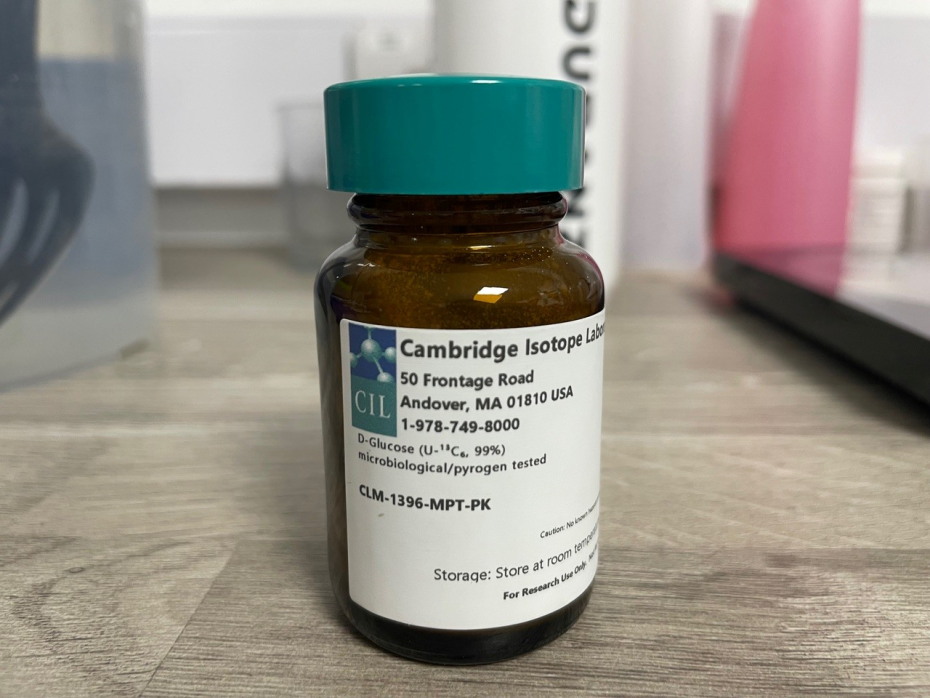
Our research examines how the body regulates and uses carbohydrate as a fuel during exercise, and how carbohydrate intake can be optimised to support performance. We use stable isotope tracer methodology, including dual tracer designs, to quantify exogenous and whole-body carbohydrate oxidation with high precision, establishing how much and what type of carbohydrate can be effectively used, and why this varies between individuals. This work underpins evidence based, individualised fuelling strategies used by endurance athletes and teams.
Research themes

Who we are
Team members
| Professor Andrew Jones | Professor of Applied Physiology | |
|---|---|---|
| Professor Anni Vanhatalo | Professor of Human Physiology | |
| Dr Matthew Black | Lecturer | |
| Joanna L’Heureux | Graduate Research Assistant | |
| Dr Tim Podlogar | Lecturer in Applied Physiology |
Current Postgraduate students
- Raghini Rajaram
- Aitor Altuna Zuzuarregui
- Ken Armstrong
- Esme Clothier
- Doug Fenney
- Niels Tiaden
- Yujie Liu
- Rebekah Osborne
- Raghini Rajaram
- Luke Reynolds
- Will Shipton Jones
- Li Ding
Alumni
- Jessica Virgili
- PhD ChenGuang Wei (2025)
- PhD Zainie Bakkar (2025)
- MbyRes Emma Flood (2025)
- PhD Eleanor Hassan (2024)
- PhD Stefan Kadach (2023)
- PhD Joanna L’Heureux (2023)
- PhD Patrick Carden (2023)
- PhD Mohammed Al-Gayeth (2022)
- MbyRes James Lewis (2022)
- MbyRes Harry Lee (2021)
- PhD Rachel Tan (2019)
- PhD Ida Clark (2019)
- PhD Paul Morgan (2019)
- PhD Sinead McDonagh (2018)
- PhD Luke Connolly (2018)
- MbyRes Rebecca Dewhurst-Trigg (2018)
- MbyRes Stuart Cocksedge (2017)
- MbyRes Eva Piatrikova (2017)
- PhD Christopher Thompson (2017)
- PhD Matthew Black (2016)
- PhD Lee Wylie (2016)
- PhD James Kelly (2015)
- PhD Len Parker Simpson (2014)
- PhD Philip Skiba (2014)
- PhD Ben Holliss (2014)
- PhD Isabel Moore (2013)
- PhD Weerapong Chidnok (2013)
- PhD Stephen Bailey (2011)
- PhD Melitta Winlove (2011)
- PhD Fred DiMenna (2010)
Our capabilities
Facilities
- Fully equipped state-of-the-art exercise physiology and resting metabolism laboratories
- Nuclear magnetic resonance compatible exercise ergometry to enable non-invasive assessment of muscle bioenergetics and blood flow with high temporal resolution during exercise.
- Field-based exercise performance testing and consultancy.
- Facilities to conduct long-term exercise training interventions.
- Research kitchen and specialised nutritional databases to implement controlled and individualised short and long-term dietary interventions.
Indicative studies:
- Muscle metabolic and neuromuscular determinants of fatigue during cycling in different exercise intensity domains
- Dynamics of the power-duration relationship during prolonged endurance exercise and influence of carbohydrate ingestion
- Physiological demands of running at 2-hour marathon race pace
- Network analysis of nitrate-sensitive oral microbiome reveals interactions with cognitive function and cardiovascular health across dietary interventions
- Contralateral fatigue during severe-intensity single-leg exercise: influence of acute acetaminophen ingestion
- Nitrate-rich beetroot juice ingestion reduces skeletal muscle O2 uptake and blood flow during exercise in sedentary men
- Highly Cushioned Shoes Improve Running Performance in Both the Absence and Presence of Muscle Damage
- N-labeled dietary nitrate supplementation increases human skeletal muscle nitrate concentration and improves muscle torque production
Biological sample collection
- Skeletal muscle biopsy
- Blood, venepuncture and cannulation
- Saliva
- Oral swabs for oral microbiome analysis
- Urine
- Faeces for gut microbiome analysis
Indicative studies:
- Human skeletal muscle nitrate store: influence of dietary nitrate supplementation and exercise
- Nitrate-responsive oral microbiome modulates nitric oxide homeostasis and blood pressure in humans
- Influence of dietary nitrate supplementation on physiological and muscle metabolic adaptations to sprint interval training
- The mechanistic bases of the power-time relationship: muscle metabolic responses and relationships to muscle fibre type
Analytical expertise
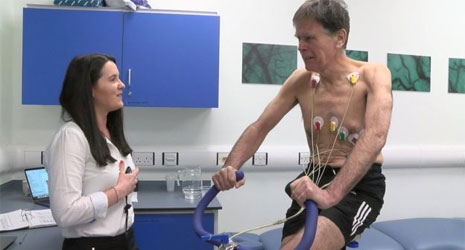
- Cardiopulmonary exercise testing. Watch us perform a lactate threshold test.
- VO2 kinetics
- Near-infrared spectroscopy (NIRS) for non-invasive assessment of muscle oxygenation
- Intravenous infusion of pharmaceutical agents
- Ozone based chemiluminescence for the measurement of nitric oxide biomarkers (inc. nitrate, nitrite, s-nitrosothiols)
- High-performance liquid chromatography (HPLC) for the measurement of compounds of interest (inc. arginine, citrulline, cysteine and glutathione, plus many more)
- Western-blotting for assessing the expression of proteins in tissue homogenates
- Enzymatic assays for muscle metabolite and enzyme activity
- Muscle fibre typing
- Bioenergetics analyses for microbiome-host interactions
- Stable isotope tracer methodology (ingested and infused, e.g. 13C, 2H) for measurement of exogenous and whole-body carbohydrate oxidation
Additional facilities
Our analytical capabilities are extended by the following facilities and collaborators:
Clinical Research Facility and Clinical Trials Unit
- Bespoke clinical trials facilities and trial support at the Royal Devon & Exeter NHS site
- Assessment of vascular health, including flow-mediated dilatation and pulse-wave velocity
Sequencing Unit
- State of the art genomics and bioinformatics analysis using Illumina (HiSeq and MiSeq), PacBio (Sequel and RSII) and Oxford Nanopore Technologies (Minion) sequencing technologies.
- Sequencing Unit website
Bioimaging Unit
- Optical, laser and electron microscopes to enable advanced cellular imaging techniques to be applied in histochemical samples obtained from muscle biopsies.
- Bioimaging Unit website
Mass Spectrometry Facility
- Metabolomics capability, with two liquid chromatography-mass spectrometry instruments and a gas chromatography-mass spectrometer.
- Mass spectrometry facility webpage
Nuclear Magnetic Resonance Unit
- NMR compatible ergometry
- 31P- and 1H-MRS
- Skeletal muscle and brain blood flow and perfusion (ASL, T2*).
Contact us
For enquiries about working with us or using our facilities, please contact Andy Jones:
A.M.Jones@exeter.ac.uk
Our research expertise is also available directly to athletes and teams through SPET, our Sports Physiology and Exercise Testing service.